أي أحلام تستبد بالأميركيين، حتى يضعوا أموالهم في صفقة لا بد أن تكون خاسرة، ولو طال الزمن.
قد يكون مبلغ 592 مليون دولار تافهاً أمام مئات المليارات التي خسرتها واشنطن في حربها على العراق، ولكن يبقى التفريط بمبلغ كهذا من أجل إقامة "أكبر سفارة أميركية بالعالم" مشوباً بشبهة السَّفَه حتى تستطيع الإدارة الأميركية تقديم أدلة على أن البناء الذي تشيده في العاصمة العراقية بغداد سيكون له استخدام حقيقي وكامل في السنوات المقبلة.
الأميركيون يعدّون هذا البناء ليكون مركز الحكم الحقيقي للعراق في المستقبل، وهم لذلك يجهزونه بكل الوسائل التي تساهم في جعله مركزاً خدمياً وترفيهياً على مستوى يليق.. بحكّام بلد كبير مثل العراق، تماماً كما كان يفعل صدام بقصوره الكثيرة التي نثرها في مختلف الأنحاء، لتصبح هباءً منثوراً بعد سقوطه المدوي، وليكتفي بعد ذلك بزنزانة صغيرة، قد تضيق عليه أكثر في الفترة المقبلة لتتحول إلى مجرد قبر.
واليوم يطمح الأميركيون لكي يخلّدوا وجودهم على الأرض العراقية كما كان صدام من قبلهم يطمع بتحوله إلى القائد الخالد لذلك البلد ولو على جماجم أبناء شعبه.
صدام سقط، والأميركيون لن يبقوا، وجلّ ما يمكن أن يحصلوا عليه في المستقبل شقة تقيم فيها بعثة رعاية المصالح الأميركية في سفارة دولة محايدة في بغداد، تماماً كما حصل قبل أكثر من ثمانية وعشرين عاماً في طهران.
أما السفارة، أو "قصر بوش" كما يسميها العراقيون، فهي رمز للاحتلال الآن، ولن تكون في المقبل من الأيام إلا رمزاً للهزيمة الأميركية في هذه المنطقة من العالم.
محمود ريا

Lebanonway طريق لبنان weblog about current events in Lebanon and the Middle East
السبت، مايو 06، 2006


الخميس، مايو 04، 2006
"Yellow Dragon" Visits" Homeland of "Uncle Sam":America Confused About Dealing with “Perilous Chance”
While the Chinese President Hu Jintao resided on American land during his first official visit to the USA since he received his position, the US administration was still reviewing the dossiers of his first visit to the American continent last November.
However, the interest was not focused on the rounds of the past alone. In addition, it focused on the steps which China took in its talks with Australia – the US distinguished ally – pertaining to the investment of the Australian Uranium mines. For the first time, the US administration hears the spokesman of the Australian Foreign Ministry saying that his country did not need the permission of the US administration regarding each step it may take.
From the “past” to the future, the Americans have been accurately observing the following stations on the rounds of the Chinese president, which led him to each of Saudi Arabia in Asia as well as to Morocco, Nigeria and Kenya in Africa.
What are the similarities of all these stations? Why does the US focus on observing the Chinese movement around the world?
The secret lurks in one word: energy.
The US concern towards the Chinese movement, which is concomitant with the flow of the Chinese investments worldwide, has its justifications from the US administration angle. It mainly launches from a dilemma which this administration faces as its precedent administrations and the administrations that will succeed. How will it deal with Chinese power which has gone out of its control pertaining to its multi-faced and multi-dimensional progression?
At the very moment of receiving the Chinese President for the first time on US land, division overwhelms the attitude of the cream and centers of research as well as the US officials as they answer simple questions: What is China with respect to us? Is it an enemy (present or future)? Is it a challenge that must be contained through finding the different adequate means? Is it a chance that must be exploited to enhance the US gains on the level of the state and individuals?
Anyone who presents these suggestions will find or not find those who will support him. There are different viewpoints and each team relies on the facts it possesses and will regard them from its own angle.
For example, let us regard the issue of energy. We will find that there is a kind of understanding among the majority of the US viewpoints which reflects a concern towards the Chinese policy regarding the energy issue.
This concern does not stop at the Chinese growing consumption of petrol, which reaches at present more than 6 million barrels a day, and may reach 10 million barrels in year 2010. The concern increases to touch on the Chinese ambitious project that is based on the principle of constructing 3 new nuclear plants each year for the next 20 years. This means gigantic consumption of raw uranium worldwide.
However, this viewpoint finds some protestors in the same US. This is why the voices were raised to criticize the concern that was frankly expressed by the US President George Bush pertaining to the energy policy in China.
These voices are ironically asking: How can the US be concerned about the effects, which the Chinese consumption of oil may reflect on the prices, environment and world economy, when the US is consuming almost three times the amount of the Chinese consumption of oil, knowing that the number of the population in the US does not even exceed a quarter of that of China?
Nonetheless, the US concern does not only fountain from the direct effects of the Chinese consumption of oil; rather, from the means which Beijing is employing in order to obtain larger quantities of this vital substance.
For instance, the US keeps sending multi-national oil companies to invest in the petrol sources of the poor and growing countries without giving consideration to the human beings that live around the petrol wells. On the other hand, China, at the beginning of its “petrol campaign”, sends teams that construct infrastructure and offer health services as well as opening its universities for the students of the “targeted” counties. Hence, it would offer to the countries, with which it wishes to establish good rapport, an irresistible and integrated “prescription of growth”, giving the yellow dragon incomparable supremacy in competing with the western privileges.
At this point, the story surfaced regarding the concern that is overwhelming the American mediums pertaining to the commercial and political rapport that is growing indescribably fast with the states of Latin America, particularly those which oppose the USA. The rapport is also growing with African states, which are almost becoming – according to the category that came from Washington – US protectorates.
Perhaps the digital language can clarify the picture further. For example, the size of the commercial exchanges between the states of Latin America and China has doubled four times since 2000 to reach $50 billions. Besides, half of the Chinese foreign investments go directly to Latin America. This figure, the Chinese officials say, may reach $100 billions by the end of this decade.
Also in Africa, the sum of the commercial exchange between Africa and China rose from $12 millions in 1950 to reach $39.74 millions in 2005. The evidence is in the Chinese exports that excelled the US exports in the continent in 2003 pertaining to size and volume.
This Chinese “daring” in the zones, which were regarded by the US as its rear garden (Latin America), or in China's future quest (Africa) after snatching it from the claws of the French unjust influence, led to the holding of elevated meetings between officials of the two countries (The USA and China). The “problem” was discussed with all of its aspects. The US did not forget to open the dossier of China’s armament of the countries of Latin America and the different African countries. This issue incited many reservations at the US officials because it drew from their hands the monopoly card pertaining to the strengthening of the regimes which they like and the besieging of the officials whom they dislike.
In addition, the dossier of arming the other countries does not veil another US real concern which Washington leaders keep trying to conceal from time to time using diplomatic terms, still, this attempt does not hinder the matter from brilliantly surfacing. This is the US concern towards China becoming a real superpower, a superpower that competes with the US on the strategic level, not only on the economic level.
This concern was apparent in the strategic report of the US national security that was published by Washington last March. It included clear warnings about the “danger” which China holds towards the US on the strategic level. This issue incited a violent reaction from Beijing. It was expressed by the spokesman of the Chinese foreign ministry, Qin Gang, who said, “China has expressed its strong resentment towards these wrong actions of the US and has presented protests in strong language to the US side.”
The American information formally disseminated or leaked to the media as part of a programmed campaign that aims to favor a certain viewpoint inside the US, indicated that China is hiding the real sum of its military expenditure. Sources of the US ministry of war estimate that the Chinese military budget reaches $90 billions. Meanwhile, the official figures, which the Chinese ministry of defense is circulating, do not exceed $3 billions.
All these matters were presented at the dialogue table during the visit of the Chinese president to Washington. The visit was unfruitful, as it seemed, in finding solutions regarding the existing problems between the two countries, certainly topped by the issue of the deficit in the commercial balance between Washington and Beijing, which is strongly sloping in favor of the yellow dragon. This does not mean that this situation will inflict direct and real damages on the country of Uncle Sam, which will receive a great share of the income that reaches the Chinese land because several companies that work on the Chinese soil are originally American.
Although figure $202 billions (representing the US commercial deficit towards China in 2005) may be a fascinating number, yet some strategic intellectuals see in this economic relationship, a pressurizing factor on the Chinese policy more than on the US policy because the Chinese economic growth that passed 10% during the first quarter is mainly tied to exports to the US. This means that China depends on the US markets in order to preserve the strength of its economy.
In the shade of these interlaced and forked relations between the giant countries, the visit of Hu Jintao to Washington and his sixth meeting with George W. Bush, since he sat in the Chinese chair in 2003 – Bush visited China last November and there were other summits – was an attempt to draw a new roadmap that may lead to the clarification of the US stance towards China, providing that China draws its road towards the top on the level of the world.
However, the interest was not focused on the rounds of the past alone. In addition, it focused on the steps which China took in its talks with Australia – the US distinguished ally – pertaining to the investment of the Australian Uranium mines. For the first time, the US administration hears the spokesman of the Australian Foreign Ministry saying that his country did not need the permission of the US administration regarding each step it may take.
From the “past” to the future, the Americans have been accurately observing the following stations on the rounds of the Chinese president, which led him to each of Saudi Arabia in Asia as well as to Morocco, Nigeria and Kenya in Africa.
What are the similarities of all these stations? Why does the US focus on observing the Chinese movement around the world?
The secret lurks in one word: energy.
The US concern towards the Chinese movement, which is concomitant with the flow of the Chinese investments worldwide, has its justifications from the US administration angle. It mainly launches from a dilemma which this administration faces as its precedent administrations and the administrations that will succeed. How will it deal with Chinese power which has gone out of its control pertaining to its multi-faced and multi-dimensional progression?
At the very moment of receiving the Chinese President for the first time on US land, division overwhelms the attitude of the cream and centers of research as well as the US officials as they answer simple questions: What is China with respect to us? Is it an enemy (present or future)? Is it a challenge that must be contained through finding the different adequate means? Is it a chance that must be exploited to enhance the US gains on the level of the state and individuals?
Anyone who presents these suggestions will find or not find those who will support him. There are different viewpoints and each team relies on the facts it possesses and will regard them from its own angle.
For example, let us regard the issue of energy. We will find that there is a kind of understanding among the majority of the US viewpoints which reflects a concern towards the Chinese policy regarding the energy issue.
This concern does not stop at the Chinese growing consumption of petrol, which reaches at present more than 6 million barrels a day, and may reach 10 million barrels in year 2010. The concern increases to touch on the Chinese ambitious project that is based on the principle of constructing 3 new nuclear plants each year for the next 20 years. This means gigantic consumption of raw uranium worldwide.
However, this viewpoint finds some protestors in the same US. This is why the voices were raised to criticize the concern that was frankly expressed by the US President George Bush pertaining to the energy policy in China.
These voices are ironically asking: How can the US be concerned about the effects, which the Chinese consumption of oil may reflect on the prices, environment and world economy, when the US is consuming almost three times the amount of the Chinese consumption of oil, knowing that the number of the population in the US does not even exceed a quarter of that of China?
Nonetheless, the US concern does not only fountain from the direct effects of the Chinese consumption of oil; rather, from the means which Beijing is employing in order to obtain larger quantities of this vital substance.
For instance, the US keeps sending multi-national oil companies to invest in the petrol sources of the poor and growing countries without giving consideration to the human beings that live around the petrol wells. On the other hand, China, at the beginning of its “petrol campaign”, sends teams that construct infrastructure and offer health services as well as opening its universities for the students of the “targeted” counties. Hence, it would offer to the countries, with which it wishes to establish good rapport, an irresistible and integrated “prescription of growth”, giving the yellow dragon incomparable supremacy in competing with the western privileges.
At this point, the story surfaced regarding the concern that is overwhelming the American mediums pertaining to the commercial and political rapport that is growing indescribably fast with the states of Latin America, particularly those which oppose the USA. The rapport is also growing with African states, which are almost becoming – according to the category that came from Washington – US protectorates.
Perhaps the digital language can clarify the picture further. For example, the size of the commercial exchanges between the states of Latin America and China has doubled four times since 2000 to reach $50 billions. Besides, half of the Chinese foreign investments go directly to Latin America. This figure, the Chinese officials say, may reach $100 billions by the end of this decade.
Also in Africa, the sum of the commercial exchange between Africa and China rose from $12 millions in 1950 to reach $39.74 millions in 2005. The evidence is in the Chinese exports that excelled the US exports in the continent in 2003 pertaining to size and volume.
This Chinese “daring” in the zones, which were regarded by the US as its rear garden (Latin America), or in China's future quest (Africa) after snatching it from the claws of the French unjust influence, led to the holding of elevated meetings between officials of the two countries (The USA and China). The “problem” was discussed with all of its aspects. The US did not forget to open the dossier of China’s armament of the countries of Latin America and the different African countries. This issue incited many reservations at the US officials because it drew from their hands the monopoly card pertaining to the strengthening of the regimes which they like and the besieging of the officials whom they dislike.
In addition, the dossier of arming the other countries does not veil another US real concern which Washington leaders keep trying to conceal from time to time using diplomatic terms, still, this attempt does not hinder the matter from brilliantly surfacing. This is the US concern towards China becoming a real superpower, a superpower that competes with the US on the strategic level, not only on the economic level.
This concern was apparent in the strategic report of the US national security that was published by Washington last March. It included clear warnings about the “danger” which China holds towards the US on the strategic level. This issue incited a violent reaction from Beijing. It was expressed by the spokesman of the Chinese foreign ministry, Qin Gang, who said, “China has expressed its strong resentment towards these wrong actions of the US and has presented protests in strong language to the US side.”
The American information formally disseminated or leaked to the media as part of a programmed campaign that aims to favor a certain viewpoint inside the US, indicated that China is hiding the real sum of its military expenditure. Sources of the US ministry of war estimate that the Chinese military budget reaches $90 billions. Meanwhile, the official figures, which the Chinese ministry of defense is circulating, do not exceed $3 billions.
All these matters were presented at the dialogue table during the visit of the Chinese president to Washington. The visit was unfruitful, as it seemed, in finding solutions regarding the existing problems between the two countries, certainly topped by the issue of the deficit in the commercial balance between Washington and Beijing, which is strongly sloping in favor of the yellow dragon. This does not mean that this situation will inflict direct and real damages on the country of Uncle Sam, which will receive a great share of the income that reaches the Chinese land because several companies that work on the Chinese soil are originally American.
Although figure $202 billions (representing the US commercial deficit towards China in 2005) may be a fascinating number, yet some strategic intellectuals see in this economic relationship, a pressurizing factor on the Chinese policy more than on the US policy because the Chinese economic growth that passed 10% during the first quarter is mainly tied to exports to the US. This means that China depends on the US markets in order to preserve the strength of its economy.
In the shade of these interlaced and forked relations between the giant countries, the visit of Hu Jintao to Washington and his sixth meeting with George W. Bush, since he sat in the Chinese chair in 2003 – Bush visited China last November and there were other summits – was an attempt to draw a new roadmap that may lead to the clarification of the US stance towards China, providing that China draws its road towards the top on the level of the world.
what happened will happen again
George W. Bush is the only one left in this world to use the term “Cedars Revolution” to describe the events in Lebanon last year.
Even the leaders of the Zionist entity are bored from using this term because they suddenly discovered that it did not mean anything on the land of realty.
The Zionists – and Americans – encouraged the changes which Lebanon witnessed over the past year of 2005, thinking that these changes will lead to the achievement of that which they could not achieve, hoping that it will happen through the force of politics, eliminating the resistance, spiritually, willingly, mannerly, or militarily.
At present, someone seems to have bumped into the wall. Hence, he returned to say: “It’s not, what, where, something, this is.”
These words were written in Hebrew a few days ago by Eyal Zeser, an expert in the Syrian and Lebanese affairs, in the newspaper of Yediot Ahronot.
These words can be translated as: what happened will happen again.
This means no change, no “progress”, no achievement of the Zionist rosy hopes that the Lebanese will ruin their homes by their own hands after the Zionists failed to do so through their giant war machines.
He who remains in Lebanon is thinking with a Bushist mentality, and is after demands which are the same Zionist demands (without this necessarily meaning that he is one of them or even cooperating with them). What he is being told in eloquent Arabic, which lacks any English, French or Hebrew accent, is this: what happened will happen again.
Mahmoud Raya
Even the leaders of the Zionist entity are bored from using this term because they suddenly discovered that it did not mean anything on the land of realty.
The Zionists – and Americans – encouraged the changes which Lebanon witnessed over the past year of 2005, thinking that these changes will lead to the achievement of that which they could not achieve, hoping that it will happen through the force of politics, eliminating the resistance, spiritually, willingly, mannerly, or militarily.
At present, someone seems to have bumped into the wall. Hence, he returned to say: “It’s not, what, where, something, this is.”
These words were written in Hebrew a few days ago by Eyal Zeser, an expert in the Syrian and Lebanese affairs, in the newspaper of Yediot Ahronot.
These words can be translated as: what happened will happen again.
This means no change, no “progress”, no achievement of the Zionist rosy hopes that the Lebanese will ruin their homes by their own hands after the Zionists failed to do so through their giant war machines.
He who remains in Lebanon is thinking with a Bushist mentality, and is after demands which are the same Zionist demands (without this necessarily meaning that he is one of them or even cooperating with them). What he is being told in eloquent Arabic, which lacks any English, French or Hebrew accent, is this: what happened will happen again.
Mahmoud Raya
الاثنين، مايو 01، 2006
"ما كان هو ما سيكون"
لم يبق في العالم من يستعمل مصطلح "ثورة الأرز" لوصف ما حصل في لبنان خلال العام الماضي إلا جورج دابليو بوش.
حتى قادة الكيان الصهيوني ملّوا من استعمال هذا المصطلح الذي اكتشفوا فجأة أنه بات لا يعني شيئاً على أرض الواقع.
لقد شجع الصهاينة ـ والأميركيون ـ التغييرات التي شهدها لبنان على مدى العام 2005 ظناً منهم أن هذه التغييرات ستؤدي إلى تحقيق ما عجزوا هم عن تحقيقه، سواء بالقوة أو بالسياسة: القضاء على المقاومة، روحاً وإرادة وموقفاً وسلاحاً.
اليوم، يبدو أن هناك من اصطدم بالحائط، فعاد ليقول:
"ما ها ياهو شي يهيي".
هي كلمات بالعبرية كتبها الخبير الصهيوني بالشؤون السورية واللبنانية أيال زيسر في صحيفة يديعوت أحرونوت قبل أيام.
يمكن ترجمة هذه الكلمات على الشكل التالي: ما كان هو الذي سيكون.
أي لا تغيير، لا "تقدم"، لا تحقيق للآمال الصهيونية الوردية بأن يخرب اللبنانيون بيوتهم بأيديهم بعد أن عجز الصهاينة عن تخريبها بآلتهم الحربية العملاقة.
أما من بقي في لبنان يفكر بعقلية بوشية، ويطالب بمطالب لا يطلبها إلا الصهاينة (دون أن يعني هذا بالضرورة أنه منهم أو ينسق معهم) فما يقال له بعربية فصحى، ليست فيها أي لكنة إنكليزية أو فرنسية أو عبرية هو التالي: ما كان هو الذي سيكون.
محمود ريا
حتى قادة الكيان الصهيوني ملّوا من استعمال هذا المصطلح الذي اكتشفوا فجأة أنه بات لا يعني شيئاً على أرض الواقع.
لقد شجع الصهاينة ـ والأميركيون ـ التغييرات التي شهدها لبنان على مدى العام 2005 ظناً منهم أن هذه التغييرات ستؤدي إلى تحقيق ما عجزوا هم عن تحقيقه، سواء بالقوة أو بالسياسة: القضاء على المقاومة، روحاً وإرادة وموقفاً وسلاحاً.
اليوم، يبدو أن هناك من اصطدم بالحائط، فعاد ليقول:
"ما ها ياهو شي يهيي".
هي كلمات بالعبرية كتبها الخبير الصهيوني بالشؤون السورية واللبنانية أيال زيسر في صحيفة يديعوت أحرونوت قبل أيام.
يمكن ترجمة هذه الكلمات على الشكل التالي: ما كان هو الذي سيكون.
أي لا تغيير، لا "تقدم"، لا تحقيق للآمال الصهيونية الوردية بأن يخرب اللبنانيون بيوتهم بأيديهم بعد أن عجز الصهاينة عن تخريبها بآلتهم الحربية العملاقة.
أما من بقي في لبنان يفكر بعقلية بوشية، ويطالب بمطالب لا يطلبها إلا الصهاينة (دون أن يعني هذا بالضرورة أنه منهم أو ينسق معهم) فما يقال له بعربية فصحى، ليست فيها أي لكنة إنكليزية أو فرنسية أو عبرية هو التالي: ما كان هو الذي سيكون.
محمود ريا
الجمعة، أبريل 28، 2006
التنين الأصفر في بلاد العم سام: أميركا مرتبكة في التعامل مع "الفرصة الخطرة"
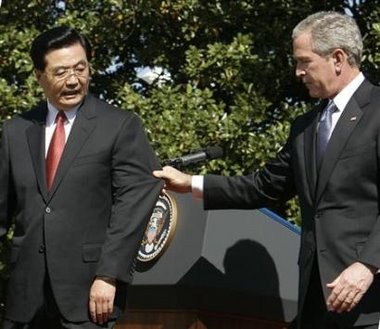
بينما كان الرئيس الصيني هيو جنتاو مقيماً على الأرض الأميركية في زيارته الرسمية الأولى إلى الولايات المتحدة منذ تسلمه منصبه، كانت الإدارة الأميركية لا تزال تراجع ملفات الجولة التي قام بها جنتاو في القارة الأميركية في تشرين الثاني/ نوفمبر الماضي.
ولكن الاهتمام لم يكن منصباً على هذه الجولة من الماضي فقط، وإنما أيضاً على الخطوات التي قطعتها الصين في محادثاتها مع أوستراليا ـ الحليفة المميزة لواشنطن ـ حول استثمار مناجم اليورانيوم الأوسترالية، حيث سمعت الإدارة الأميركية لأول مرة المتحدث باسم وزارة الخارجية في كانبيرا وهو يقول إن بلاده ليست مضطرة للحصول على إذن الإدارة الأميركية حول كل خطوة تقوم بها.
ومن "الماضي" إلى المستقبل، كان الأميركيون يتابعون بدقة أيضاً المحطات التالية من جولة الرئيس الصيني، والتي قادته إلى كل من السعودية في آسيا، والمغرب ونيجيريا وكينيا في أفريقيا.
ما الذي يجمع بين كل هذه المحطات، ولماذا توزع الولايات المتحدة اهتماماتها في ملاحقة الحركة الصينية حول العالم؟
السر يكمن في كلمة واحدة: الطاقة
القلق الأميركي من الحركة الصينية المتلازمة مع دفق للاستثمارات الصينية حول العالم له ما يبرره من منظور الإدارة الأميركية، وهو ينطلق بالأساس من معضلة تواجه هذه الإدارة، كما التي سبقتها والتي ستليها، وهي كيفية التعامل مع القوة الصينية التي خرجت عن السيطرة في نموها المختلف الأوجه والمتعدد الاتجاهات.
وفي لحظة استقبال الرئيس الصيني لأول مرة على الأرض الأميركية كان الانقسام لا يزال هو سيد الموقف لدى النخب ومراكز البحوث والمسؤولين في الولايات المتحدة في الإجابة عن سؤال بسيط: ما هي الصين بالنسبة لنا، هل هي عدو (حالي أو مستقبلي)، هل هي تحدّ ينبغي إيجاد الوسائل المناسبة لاحتوائه، هل هي فرصة لا بد من اغتنامها من أجل تعزيز المكاسب الأميركية على مستوى الدولة وعلى مستوى الأفراد؟
كل طرح من هذه الطروحات له من يؤيده في الولايات المتحدة، وتختلف وجهات النظر بين هذا الفريق وذاك حسب المعطيات التي يملكها كل طرف، وحسب الزاوية التي ينظر منها إلى الأمور.
فلنأخذ منظور الطاقة مثلاً، فنجد أن هناك نوعاً من التفاهم لدى أغلبية وجهات النظر الأميركية على القلق من السياسة الصينية تجاه موضوع الطاقة.
ولا يقف القلق عند الاستهلاك الصيني المتنامي للبترول، والذي يزيد حالياً عن ستة ملايين برميل يومياً، وقد يصل في العام 2010 إلى عشرة ملايين برميل، وإنما يتوسع ليشمل القلق من المشروع الصيني الطموح الذي يقوم على أساس إنشاء ثلاثة مفاعلات نووية جديدة كل عام خلال السنوات العشرين المقبلة، وهو ما يعني امتصاصاً ضخماً لخامات اليورانيوم في أنحاء العالم.
إلا أن وجهة النظر هذه تجد من يعارضها في الولايات المتحدة نفسها، ولذلك علت أصوات تنتقد القلق الذي أبداه الرئيس الأميركي جورج بوش صراحة حول سياسة الطاقة في الصين.
وتتساءل هذه الأصوات بسخرية: كيف يمكن للولايات المتحدة أن تقلق من الآثار التي يتركها استهلاك الصين للنفط على الأسعار وعلى البيئة وعلى الاقتصاد العالمي، في حين أن الولايات المتحدة تستهلك حوالى ثلاثة أضعاف الاستهلاك الصيني من النفط، في حين أن عدد سكانها لا يزيد عن ربع عدد سكان الصين؟
إلا أن القلق الأميركي لا ينبع فقط من الآثار المباشرة للاستهلاك الصيني للنفط، وإنما من الوسائل التي تستعملها بكين للحصول على كميات أكبر من هذه المادة الحيوية.
ففي حين ترسل الولايات المتحدة الشركات المتعددة الجنسيات من أجل استثمار الموارد البترولية من الدول الفقيرة والنامية دون النظر إلى ما يحيط بآبار البترول من بشر، ترسل الصين في طليعة "حملتها البترولية" فرق إنشاء البنى التحتية وتقديم الخدمات الصحية وتفتح جامعاتها لطلاب الدول "المستهدفة"، فتقدم للدول التي ترغب في إقامة علاقات شراكة معها "وصفة تنمية" متكاملة لا يمكن مقاومتها، الأمر الذي يعطي التنين الأصفر تفوقاً لا يقارن في التنافس مع الامتيازات الغربية.
من هنا كان الحديث عن القلق الذي يسود الآن الأوساط الأميركية من العلاقات التجارية والسياسية التي تتنامى بسرعة تفوق الوصف مع دول أميركا اللاتينية، ولا سيما مع تلك التي تقف في مواجهة الولايات المتحدة الأميركية، وكذلك مع دول أفريقيا التي يكاد بعضها تصبح ـ حسب الوصف القادم من واشنطن ـ محميات أميركية.
ولعل في لغة الأرقام بعض توضيح للصورة، فحجم المبادلات التجارية بين دول أميركا اللاتينية والصين تضاعف أربع مرات منذ سنة 2000 ليصل إلى 50 مليار دولار، كما أن نصف استثمارات الصين الخارجية المباشرة تقريباً يذهب إلى أميركا اللاتينية، وهو رقمٌ يقول المسؤولون الصينيون إنه قد يصل إلى 100 مليار دولار بنهاية العقد الحالي.
وفي أفريقيا ارتفع حجم التبادل التجارى الصينى الافريقي من 12 مليون دولار اميركي عام 1950 الى 39.74 مليار دولار اميركي عام 2005. وليس أدل على ذلك من تفوق الصادرات الصينية على الأميركية للقارة في عام 2003, من حيث الحجم والسعة.
وقد أدى هذا "التطاول" الصيني على مناطق كانت الولايات المتحدة تعتبرها حديقتها الخلفية (أميركا اللاتينية)، أو أنها تسعى لجعلها كذلك في المستقبل بعد اقتناصها من براثن النفوذ الفرنسي الطاغي (أفريقيا) إلى عقد اجتماعات مكثفة بين مسؤولين من الدولتين (الولايات المتحدة والصين). وقد تمت مناقشة "المشكلة" من جوانبها كافة، ولم تنسَ الولايات المتحدة فتح ملف تسليح بكين لدول أميركا اللاتينية والدول الأفريقية المختلفة، وهو أمر يثير الكثير من التحفظ لدى المسؤولين الأميركيين، لأنه يسحب من يدهم ورقة احتكار تقوية من يشاؤون من الأنظمة، ومحاصرة من لا يعجبهم من المسؤولين.
على أن ملف تسليح الدول الأخرى لا يحجب قلقاً أميركياً آخر، أو لنقل إنه القلق الأميركي الحقيقي الذي يحاول قادة واشنطن تغليفه من حين لآخر بالعبارات الدبلوماسية دون أن يمنع ذلك من ظهوره إلى العلن بشكل فاقع، ألا وهو القلق من الصين كقوة عظمى حقيقية، أي قوة عظمى منافسة للولايات المتحدة على المستوى الاستراتيجي، وليس على المستوى الاقتصادي فحسب.
وقد برز هذا القلق واضحاً في التقرير الاستراتيجي للأمن القومي الأميركي الذي نشرته واشنطن في شهر آذار/ مارس الماضي، والذي تضمن تحذيرات واضحة من "الخطر" الذي تشكله الصين للولايات المتحدة على المستوى الاستراتيجي، وهو الأمر الذي أثار رد فعل عنيفاً في بكين، وقد عبر عنه المتحدث باسم وزارة الخارجية الصينية تشين كانغ الذي قال "إن الصين اعربت عن امتعاضها الشديد إزاء هذه الأفعال الخاطئة من جانب الولايات المتحدة، وقدمت احتجاجات شديدة اللهجة إلى الجانب الأميركي".
وتشير المعلومات الأميركية الموزعة بشكل رسمي، أو المسرّبة إلى وسائل الإعلام ضمن حملة مبرمجة تهدف إلى تغليب وجهة نظر على أخرى داخل الولايات المتحدة، إلى أن الصين تخفي الرقم الحقيقي لإنفاقها العسكري، وتقدر مصادر وزارة الحرب الأميركية الميزانية العسكرية للصين بتسعين مليار دولار، في حين تعلن الأرقام الرسمية التي توزعها وزارة الدفاع الصينية أن هذا الرقم لا يزيد عن ثلاثين مليار دولار.
كل هذه القضايا كانت على طاولة الحوار خلال الزيارة التي قام بها الرئيس الصيني إلى واشنطن، والتي لم تنجح على ما يبدو في إيجاد حلول للعديد من المشاكل القائمة بين البلدين وعلى رأسها بلا شك مسألة العجز في الميزان التجاري بين واشنطن وبكين والذي يميل بشدة لمصلحة التنين الأصفر، دون أن يعني ذلك ضرراً مباشراً وحقيقياً لبلاد العم سام التي تأخذ حصة كبيرة من المردود الذي يصل إلى الأرض الصينية، كون العديد من الشركات التي تعمل على تلك الأراضي هي في الأصل شركات أميركية.
وإذا كان رقم 202 مليار دولار (العجز التجاري الأميركي تجاه الصين عام 2005) هو رقم خيالي فعلاً، فإن بعض المفكرين الاستراتيجيين يرون في هذه العلاقة الاقتصادية عامل ضغط على السياسة الصينية يفوق ما يشكله من ضغط على الولايات المتحدة، لأن النمو الاقتصادي الصيني الذي زاد عن العشرة بالمئة في الربع الأول من هذا العام مرتبط بشكل أساسي بالتصدير إلى الولايات المتحدة، مع ما يعنيه ذلك من ارتهان صيني للأسواق الأميركية من أجل الحفاظ على قوة اقتصادها.
في ظل هذه العلاقات المتشابكة والمتفرعة بين البلدين العملاقين، تبدو زيارة هيو جنتاو إلى واشنطن ولقاؤه السادس مع جورج دابليو بوش منذ تسلمه الرئاسة في الصين عام 2003 (بوش زار الصين في تشرين الثاني/ نوفمبر الماضي، وجرت اللقاءات الأخرى في لقاءات قمة مختلفة) كمحاولة لرسم خارطة طريق جديدة تقود إلى توضيح الموقف الأميركي من الصين، ما دام أن الصين قد رسمت طريقها نحو الوصول إلى القمة على مستوى العالم.
محمود ريا
الثلاثاء، أبريل 25، 2006
“This is economy stupid,”
The Chinese President Hu Jintao began his visit to the U.S., arriving from the far west of the country. He chose the city of Seattle to be his first station.
The geographic factor may play a significant role in defining the line of the visit because the Chinese President crossed the Pacific Ocean to reach the country of Uncle Sam. He had to land in the west before moving to the capital city.
However, the meetings that took place in that city, which is more than 4000 km from Washington DC, urge one to think about the reasons of choosing this course of the journey. The guest president preferred – or perhaps was determined – to meet the founder of Microsoft Company, Bill Gates, before meeting President George Bush. He also visited the factory of the giant aircrafts Boeing, before endorsing the record of honor in the white bureau of the White House. This issue perhaps “discloses” the main aims behind this visit.
Anyhow, all that the Chinese President will receive from his American counterpart will not be as comforting as that which he received from his other “counterpart” Gates. In Seattle, they spoke about ways of future cooperation whereas in Washington the talks will be – something like reprehension – regarding the pressure which China causes to the world oil market as a result of its accelerating demand of energy, which may reach 10 million barrels a day in year 2010, reported the New York Times.
“This is economy stupid,” they said it once to Bush the father when he was defeated in the presidential elections in 1991. And it must be repeated to Bush the son, as he lives the moments of the accelerating collapse before the Chinese president and the world.
The geographic factor may play a significant role in defining the line of the visit because the Chinese President crossed the Pacific Ocean to reach the country of Uncle Sam. He had to land in the west before moving to the capital city.
However, the meetings that took place in that city, which is more than 4000 km from Washington DC, urge one to think about the reasons of choosing this course of the journey. The guest president preferred – or perhaps was determined – to meet the founder of Microsoft Company, Bill Gates, before meeting President George Bush. He also visited the factory of the giant aircrafts Boeing, before endorsing the record of honor in the white bureau of the White House. This issue perhaps “discloses” the main aims behind this visit.
Anyhow, all that the Chinese President will receive from his American counterpart will not be as comforting as that which he received from his other “counterpart” Gates. In Seattle, they spoke about ways of future cooperation whereas in Washington the talks will be – something like reprehension – regarding the pressure which China causes to the world oil market as a result of its accelerating demand of energy, which may reach 10 million barrels a day in year 2010, reported the New York Times.
“This is economy stupid,” they said it once to Bush the father when he was defeated in the presidential elections in 1991. And it must be repeated to Bush the son, as he lives the moments of the accelerating collapse before the Chinese president and the world.
السبت، أبريل 22، 2006
إنه الاقتصاد أيها الغبي
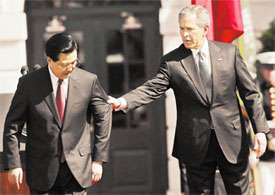
بدأ الرئيس الصيني هيو جنتاو زيارته إلى الولايات المتحدة من أقصى غرب البلاد، واختار مدينة سياتل لتكون محطته الأولى. قد يكون للعامل الجغرافي دور مهم في تحديد خط الزيارة، كون الرئيس الصيني قطع المحيط الهادئ للوصول إلى بلاد العم سام، وكان لا بد أن يحط في الغرب، قبل أن ينتقل إلى العاصمة.
ولكن اللقاءات التي جرت في تلك المدينة التي تبعد عن (واشنطن دي سي) أكثر من أربعة آلاف كيلومتر تدفع إلى التفكير بأسباب أخرى لاختيار هذا المسار للرحلة. فالرئيس الضيف آثر ـ وربما تعمّد ـ أن يلتقي بمؤسس شركة ميكروسوفت للتقنية العالية بيل غيتس قبل أن يلتقي الرئيس جورج بوش، وأثبت وجوده في مصنع الطائرات العملاقة بوينغ قبل أن يضع توقيعه على سجل الشرف في المكتب البيضاوي في البيت الأبيض، الأمر الذي ربما "يكشف" الأهداف الرئيسية لهذه الزيارة.
على كل حال، ما سيلاقيه الرئيس الصيني من نظيره الأميركي لن يكون مريحاً مثل الذي لاقاه من "نظيره" الآخر غيتس، ففي سياتل الحديث هو عن سبل التعاون في المستقبل، بينما في واشنطن سيكون الحديث ـ بما يشبه التأنيب ـ عن الضغط الذي تشكّله الصين على سوق النفط العالمية نتيجة طلبها المتسارع على الطاقة، والذي قد يصل إلى 10 ملايين برميل يومياً عام 2010 كما قالت صحيفة نيويورك تايمز.
"إنه الاقتصاد أيها الغبي"، قالوها مرة لبوش الأب عندما هزم في الانتخابات الرئاسية عام 1991، وهو ما ينبغي تكراره أمام بوش الابن، وهو يعيش لحظات الانهيار المتسارعة أمام الرئيس الصيني.. وأمام العالم.
محمود ريا
الأربعاء، أبريل 19، 2006
moment of historic birth
“At present, we are witnessing a moment of historic birth that will produce changes which together with their influence will not be confined to one place in the world.”
Perhaps, these words compose the most common phrase that has been employed by the dailies over the past decades.
Moments in history have passed, and they indeed recorded a major turn of a situation that couldn't be comprehended in the stage that preceded their occurrence.
At present, are we witnessing one of these moments?
Are we witnessing a true historic reality that must be recorded as a focal point which draws the events as a step that renders the succeeding acts as nothing but simple reactions?
After Tehran declared “its possession of the full nuclear cycle,” would it be sufficient for us to say that the path of history has begun to deviate from the line which was drawn by its so-called controllers over the past decades?
By answering “yes” or “no” in a contest between these or those who prefer this or that answer, one must first conceive the fact that what happened is one of these flashes that cannot pass without causing any dazzling or blinding effects.
Iran has accomplished the achievement; and those who have not conceived its significance until now must read carefully and thoroughly the past and succeeding events in order to realize the level of the change which this event will cause to the line graph of world reactions.
One can do nothing but acknowledge that this is a critical change as everyone agrees, although the issue differs on the side where this change is coursing.
One can humbly say that this is a change for the best.
Mahmoud Raya
Perhaps, these words compose the most common phrase that has been employed by the dailies over the past decades.
Moments in history have passed, and they indeed recorded a major turn of a situation that couldn't be comprehended in the stage that preceded their occurrence.
At present, are we witnessing one of these moments?
Are we witnessing a true historic reality that must be recorded as a focal point which draws the events as a step that renders the succeeding acts as nothing but simple reactions?
After Tehran declared “its possession of the full nuclear cycle,” would it be sufficient for us to say that the path of history has begun to deviate from the line which was drawn by its so-called controllers over the past decades?
By answering “yes” or “no” in a contest between these or those who prefer this or that answer, one must first conceive the fact that what happened is one of these flashes that cannot pass without causing any dazzling or blinding effects.
Iran has accomplished the achievement; and those who have not conceived its significance until now must read carefully and thoroughly the past and succeeding events in order to realize the level of the change which this event will cause to the line graph of world reactions.
One can do nothing but acknowledge that this is a critical change as everyone agrees, although the issue differs on the side where this change is coursing.
One can humbly say that this is a change for the best.
Mahmoud Raya
الثلاثاء، أبريل 18، 2006
مخاض تاريخي
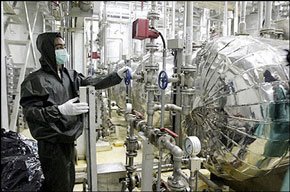
"نحن الآن في لحظة مخاض تاريخي سينتج عنها تغييرات لن يقتصر تأثيرها على مكان من العالم".
قد تكون هذه الكلمات من أكثر ما يتداول به على صفحات الجرائد خلال العقود الماضية.
وقد مرّت محطات في التاريخ، سجّلت لحظاتها بالفعل على أنها انعطافة كبرى لا يمكن تصور الوضع بعد حصولها في الفترة التي سبقت الحصول.
اليوم هل نحن أمام واحدة من تلك اللحظات؟
هل نشهد انعطافة تاريخية حقيقية ينبغي تسجيلها كبؤرة تنجذب إليها الأحداث، وفعل يصبح ما بعده مجرد رد فعل؟
هل يكفي إعلان طهران عن "امتلاك الدورة النووية الكاملة" لنقول إن مسار التاريخ قد بدأ بالانحراف عن الخط الذي رسمه مدّعو التحكم به على مدى العقود الماضية؟
بين الإجابة بـ"نعم" والإجابة بـ"كلا"، والتنازع بين من يغلّبون هذه الإجابة أو تلك، لا بد من الإقرار بأن ما حصل هو واحدة من تلك الإضاءات التي لا يمكن المرور عليها دون أن تبهر عيوناً وتعمي عيوناً أخرى.
لقد حققت إيران "الإنجاز"، وما على الذين لم يدركوا حتى الآن أهميته سوى أن يقرأوا مطوّلاً وبدقة الأحداث السابقة واللاحقة له ليعرفوا مدى التغيير الذي سيتركه هذا الحدث على الخط البياني للتفاعلات التي يشهدها العالم.
ولا يمكن إلا الاعتراف بأنه تغيير حادّ بإجماع الجميع، وإن كان هناك اختلاف في الجهة التي يسير فيها هذا التغيير.
بتواضع: إنه التغيير نحو الأفضل.
محمود ريا
الجمعة، أبريل 07، 2006
"الدولة الفاشلة"

"الدولة الفاشلة"، نعت اختاره المفكر والكاتب الكبير نعوم تشومسكي كي يطلقه على الولايات المتحدة.
والفشل الذي استحقت بلاد العم سام أن تحمل هذا النعت من أجله هو "الفشل في حماية مواطنيها من العنف بحقهم، ووجود حكومة فيها ترى نفسها أنها فوق أن تطالها القوانين المحلية والدولية".
كلام تشومسكي جاء في كتاب جديد له يحمل عنوان: "الدول الفاشلة: إساءة استخدام السلطة والاعتداء على الديموقراطية".
قد يكون كلام المفكر الأميركي يركز على "الفشل" في التقيّد بالقوانين في كتابه الذي يقول إنه يهدف منه إلى تقديم اقتراحات لمنع انزلاق بلاده إلى خانة الدول الفاشلة بشكل نهائي، ولكن هذا لا يمنع من "استعارة" المصطلح "التشومسكي" للحديث عن الولايات المتحدة كدولة فاشلة فعلاً في التعامل مع القضايا العالمية الكبرى، ولا سيما في منطقتنا التي ثبت تخبط الإدارة الأميركية في معالجة قضاياها.
ولمن يتذكر فإن كتاب تشومسكي الحديث يوازيه في الأهمية كتاب صدر أواخر العام 2002 لمؤلف أميركي هو ويليام بلو ويحمل اسم "الولايات المتحدة: الدولة المارقة".
ويلخص بلو رؤيته لبلاده بالقول إن هذه الدولة موّلت ونفذت في العالم "40 انقلاباً و30 عدواناً في 50 عاماً!".
وبينما تستعد منطقتنا لموجة جديدة من "المروق الأميركي" على القوانين الدولية من خلال الضغوط الممارسة على الجمهورية الإسلامية في إيران على خلفية ملفها النووي، فالظاهر أن ما ستناله الإدارة الأميركية من هذا المروق لن يكون مرة أخرى سوى.. "الفشل".
محمود ريا
الاشتراك في:
الرسائل (Atom)